Turning Inward
November 2026 Seasonal Embodied Practice
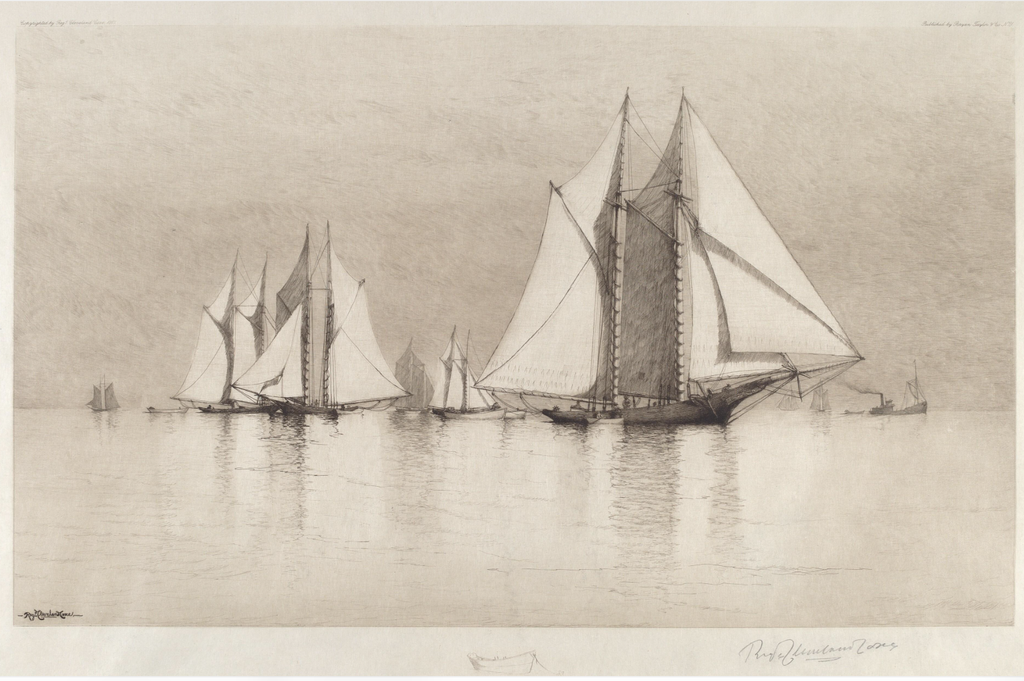
Whenever I find myself growing grim about the mouth; whenever it is a damp, drizzly November in my soul … then, I account it high time to get to sea as soon as I can.
— Herman Melville, Moby-Dick
I have often recognized something of November in Ishmael’s description of the month in Moby-Dick: the diminishing light, the cold and damp, and the way the outer landscape can seem to settle into the inner life. Now, living again on the East Coast after many years on Camano Island, I find myself wondering how this season will meet me here.
We cannot know in advance what a season will bring to our inner lives. We can, however, make room to notice what arises rather than immediately resisting it or being carried along by it. This November, our Kundalini Yoga practice will explore stillness as a way of becoming more attentive to the body, mind, and senses.
The Journey
Pratyahara: Turning Inward
In Patanjali’s eight-limbed path of yoga, pratyahara is the fifth limb, following the ethical principles, personal observances, posture (asana), and breath regulation (pranayama). It marks a transition from practices that engage our relationship with the outer world toward the cultivation of inner attention.
Often translated as the withdrawal or drawing inward of the senses, pratyahara does not mean shutting out the world or withdrawing from ordinary life. Rather, it invites us to change our relationship with what continually calls for our attention. Sounds, sensations, thoughts, and impressions will still arise; we practice becoming less compelled to follow each one.
We might notice a sound without turning toward it, recognize a thought without pursuing it, or feel an impulse without immediately acting upon it. With practice, we begin to discover a little more space between what we experience and how we respond.
This inward turning is not an end in itself. It can help us become more present to our experience, with greater freedom to choose where we place our attention.
Yoga Nidra: The Practice of Yogic Sleep
Each of our five November classes will include approximately 15 minutes of Yoga Nidra, often called “yogic sleep.”
Yoga Nidra is a guided practice undertaken while resting comfortably, usually lying down. The body is invited to become deeply still while awareness follows a sequence of instructions, rotation of consciousness. Depending on the practice and the individual, this can bring about an altered state of consciousness between ordinary waking awareness and sleep. We may remain aware of the guidance, drift toward sleep, or move between the two.
Yoga Nidra offers an accessible way to explore pratyahara. Rather than following the senses outward, we allow attention to move inward through awareness of the body, breath, and inner experience. There is nothing to achieve and no particular state we must produce. The invitation is simply to rest and follow the practice as best we can.
The practice can be deeply restorative. By reducing activity and providing an opportunity for rest, Yoga Nidra may support autonomic regulation—the processes through which the nervous system helps coordinate states of activity and recovery. Individual experiences vary, and Yoga Nidra is not a substitute for medical care or adequate sleep. Its value also lies in the opportunity to pause, become receptive, and experience a different relationship with our usual mental and sensory activity.
The Wisdom of the Body
As autumn gives way to early winter, the Ayurvedic tradition associates the season with Vata dosha, characterized by movement, change, coldness, and dryness. This seasonal perspective draws attention to the value of warmth, rhythm, nourishment, rest, and steadiness.
We will also consider the everyday foundations of health and immune function during the colder months. Adequate sleep, nourishing food, appropriate movement, and sufficient rest all contribute to our well-being. Our practice offers time to notice what our bodies need and how we respond.
Stillness is not simply the absence of movement. It can also be a way of listening to the body, recognizing its limits, and allowing space for recovery.
Making Room
November brings Thanksgiving, with its associations of gathering, nourishment, and gratitude. Yet our experiences of the season are not always simple. We may feel appreciation alongside grief, connection alongside loneliness, or anticipation alongside uncertainty.
We need not demand a particular feeling from ourselves. Stillness can make room for our experience as it is, without requiring us to solve it or turn it into something else.
Over these five Sundays, we will explore what becomes available when we pause, turn inward, and listen. We need not expect a revelation or even a sense of peace. The practice is to become more available to the experience of being here.
What to Expect
Our November series consists of five Sunday Kundalini Yoga classes exploring stillness through movement, breath, meditation, and Yoga Nidra.
Each class will include:
- Kundalini Yoga practices selected for the theme of the session
- Breathwork and meditation
- Approximately 15 minutes of guided Yoga Nidra
- An opportunity to pause and attend to your own experience
Yoga Nidra is generally practiced lying down. Please have a mat or comfortable resting surface and any blankets, cushions, or other supports that will help you rest comfortably. You are welcome to adapt your position as needed.
No particular experience of stillness is expected. You may feel deeply relaxed, remain mentally active, or find your attention wandering. These are all part of the range of experiences that can arise in practice.
About Your Teacher
Anne Taylor, Ph.D., is the founder of MetaHeart Center. Her work brings together Kundalini Yoga, Jungian depth psychology, mythology, and contemplative practice.
With a background in biological sciences and medical-device development, as well as doctoral work in Mythological Studies and Depth Psychology, Anne is interested in the relationship between embodied experience, symbolic life, and the deeper dimensions of human consciousness.
Her approach to practice is grounded in the understanding that the body is not merely something to be managed or improved, but a source of information and a participant in the process of becoming more fully present to life.
Registration
Stillness — November 2026 Kundalini Yoga Series
Five Sundays in November 2026
9:00 a.m. Pacific / 12:00 p.m. Eastern
75 minutes per class
Online via Zoom
Community Integration time after class is optional. Feel connected to other students, share and witness other’s experiences.
Suggested contribution: $49 for the series. A donation-based approach helps make the practice accessible.
Registration is required to receive the Zoom access information. Zoom details will be emailed to you the Saturday before class.
MetaHeart Reflections
For a companion to this month’s practice, visit MetaHeart Reflections for the November essay on stillness, seasonal change, and making room for our experience.
Disclaimer
Kundalini Yoga, meditation, and Yoga Nidra are offered for educational and contemplative purposes. They are not intended to diagnose, treat, cure, or prevent any medical condition, and they do not replace medical advice or care. Please practice within your own limits, adapt positions as needed, and consult a qualified healthcare professional if you have concerns about whether a practice is appropriate for you.