Stillness
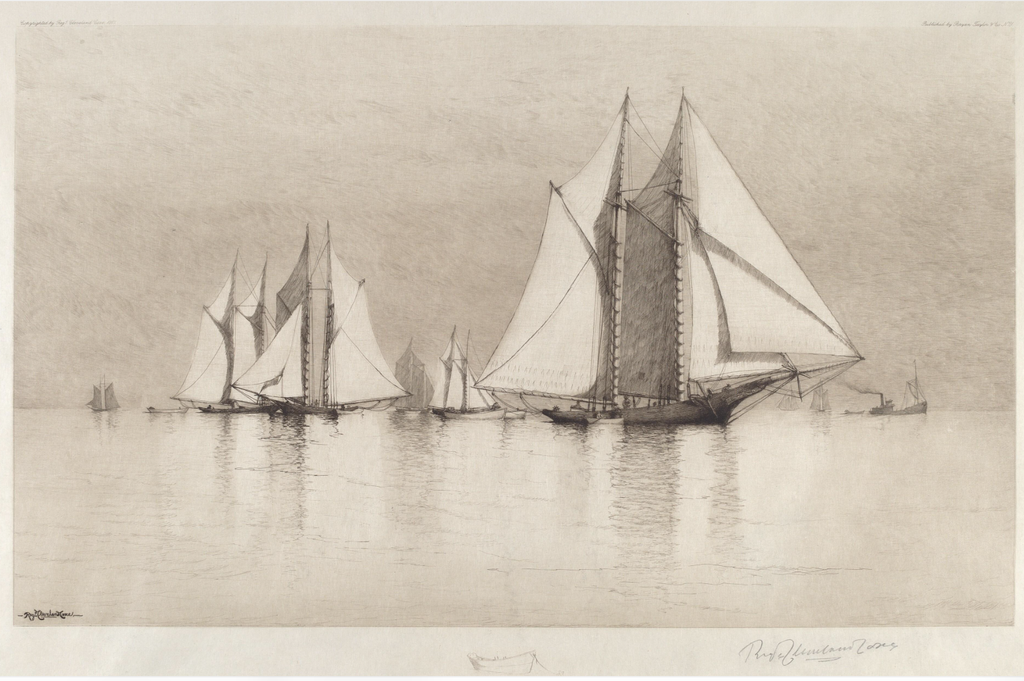
“Whenever I find myself growing grim about the mouth; whenever it is a damp, drizzly November in my soul … then, I account it high time to get to sea as soon as I can.” — Herman Melville, Moby-Dick
I have returned to Melville’s words many times over the years. During my years on Camano Island, I knew something of the November Ishmael describes. The days grew short, the cold and damp settled in, and the gray skies seemed to press down on the landscape. The season could be dreary, and its darkness sometimes found its way inward. I understood why Ishmael sought the sea as a remedy for his November in his soul.
November can be a complicated month. The diminishing light and changing weather can affect our spirits. The approach of the holidays may bring anticipation, but also memories of people and things we hold dear, or an awareness of what is missing. Thanksgiving brings its own expectations of gathering and gratitude, which do not always match the reality of our lives.
Now, living again on the East Coast, I find myself wondering what November will bring. I spent the first nearly thirty years of my life here, but time has softened those memories. On Camano Island, November meant windstorms, power outages, and long stretches of gray weather. Here, in a landscape that feels more sheltered, the season may reveal itself differently. But I wonder: will November still press into my soul, regardless of where I live?
Perhaps this is part of what makes the season worth attending to. We cannot always know how the changing light, the weather, or the approaching holidays will affect us. Yet we can become curious about what arises in us, rather than assuming that we must either resist it or be carried along by it. Through our somatic practice, we can create space to pause, to breathe, and to be present to ourselves. We may not change the season or the circumstances that accompany it, but we can explore how we inhabit them.
Turning Inward
In the yogic tradition, pratyahara refers to the drawing inward of the senses. It is the fifth limb of Patanjali’s eight-limbed path, marking a transition from our relationship with the external world toward the cultivation of inner attention.
Pratyahara does not require us to reject the world or withdraw from the responsibilities of daily life. Rather, it invites us to examine how readily our attention is captured by what surrounds us. Can we hear a sound without needing to follow it? Notice a thought without immediately pursuing it? Experience a sensation without reacting automatically?
Through practice, we begin to discover a space between what calls for our attention and how we respond. This space does not remove us from life. It may allow us to meet life with greater awareness.
Stillness, in this sense, is not simply the absence of movement. It is a change in our relationship to movement, sensation, and thought. We become less compelled to respond to every impulse and more available to what is present.
The Wisdom of the Body
Our inward attention includes the body. Alongside the movements of thought and feeling, we can learn to notice the body’s needs and the everyday conditions that support its health.
The immune system is a remarkable network of cells, tissues, and organs that protects us against infection and other threats while helping maintain the body’s internal balance. Its functioning is complex, influenced by many factors, including sleep, nutrition, physical activity, stress, age, and underlying health.
There is no single practice that guarantees strong immunity. Yet the everyday choices we make can support the body’s normal functioning. Adequate sleep, nourishing food, regular movement, appropriate stress management, and preventive healthcare all have a place in caring for our health.
This is where contemplative practice and practical self-care meet. When we pause, we may become more aware of fatigue, tension, or the need for rest. We may recognize habits that leave us depleted or notice when we have been giving our attention to everything except ourselves.
Stillness does not replace medical care, nor does meditation alone determine immune health. It can, however, help us become more attentive to the conditions under which we live and the choices through which we care for ourselves.
Making Room
November also brings Thanksgiving, a holiday associated with gathering, nourishment, and gratitude. Yet gratitude need not be something we summon on command, nor must it require us to overlook the difficulties of our lives.
Perhaps appreciation becomes more accessible when we stop long enough to notice what is already here: a meal shared with others, the warmth of a room on a cold day, the familiar rhythm of breathing, the simple fact of being alive.
We can make room for gratitude without denying grief or uncertainty. We can acknowledge what sustains us while remaining honest about what challenges us.
As we move through November, I invite you to explore stillness as a practice of attention. Allow a few moments each day in which nothing needs to be solved, improved, or accomplished. Notice the breath. Feel the body. Let the senses rest from their habitual pursuit of the next thing.
We need not expect a revelation. We need not even expect to feel peaceful. The practice is simply to become available to the experience of being here.
Perhaps this is one of the gifts of stillness: not that it changes the season, or even changes how we feel, but that it gives us room to encounter our experience more fully. We may discover that November holds more than we expected—not only its darkness or its demands, but also moments of warmth, connection, and recognition.
This November, I invite you to make room for those moments. Pause when you can. Notice what is present. And allow the season to reveal itself, rather than deciding in advance what it will mean.
November Kundalini Yoga: Stillness
This November, our Kundalini Yoga practice will explore stillness—not simply as the absence of movement, but as a way of changing our relationship with the activity of body, mind, and senses.
In the Ayurvedic tradition, autumn and early winter are associated with Vata dosha, characterized by movement, change, coldness, and dryness. As the weather shifts and the days grow shorter, this seasonal perspective invites us to consider the value of warmth, rhythm, rest, and steadiness.
An underlying theme of our seasonal practice will be pratyahara, the drawing inward of the senses. Each class will include a Yoga Nidra practice of approximately 15 minutes. Often called “yogic sleep,” Yoga Nidra is a guided practice in which the body rests while awareness remains gently engaged, allowing us to enter an altered state between waking and sleeping. This deeply restorative practice also supports autonomic regulation, helping the body shift toward states associated with rest and recovery.
Through Kundalini Yoga, breath, meditation, and Yoga Nidra, we will explore how stepping back from the continual activity of the outer world can help us become more attentive to our inner experience. This is not a withdrawal from life, but a way of meeting it with greater awareness.
We will also bring attention to the wisdom of the body and the everyday practices that support our health and immune function during the colder months. Rather than looking for a single way to strengthen immunity, we can consider the familiar foundations of well-being: adequate sleep, nourishing food, regular movement, and sufficient rest. Our practice offers time to notice what our bodies need and how we respond.
As the holidays approach, we will make room for stillness without requiring ourselves to feel peaceful or grateful on demand. Each class will offer an opportunity to pause, turn inward, and listen—not with the expectation of a particular experience, but with a willingness to meet ourselves as we are.